
ISBN in Zambia: What It Is, Why It Matters and How to Get One
An ISBN identifies one edition and format of a book. It is not copyright and it is not a mark of quality. Here is what it does, how the arrangement for Zambia currently works and when to settle it.
The ISBN is one of the publishing details authors ask about most, and it is also one of the most misunderstood. Some authors believe it protects their copyright. Others think it is a sign of quality or official approval. Many simply know that "a proper book needs one" and are unsure what it does or where to get it.
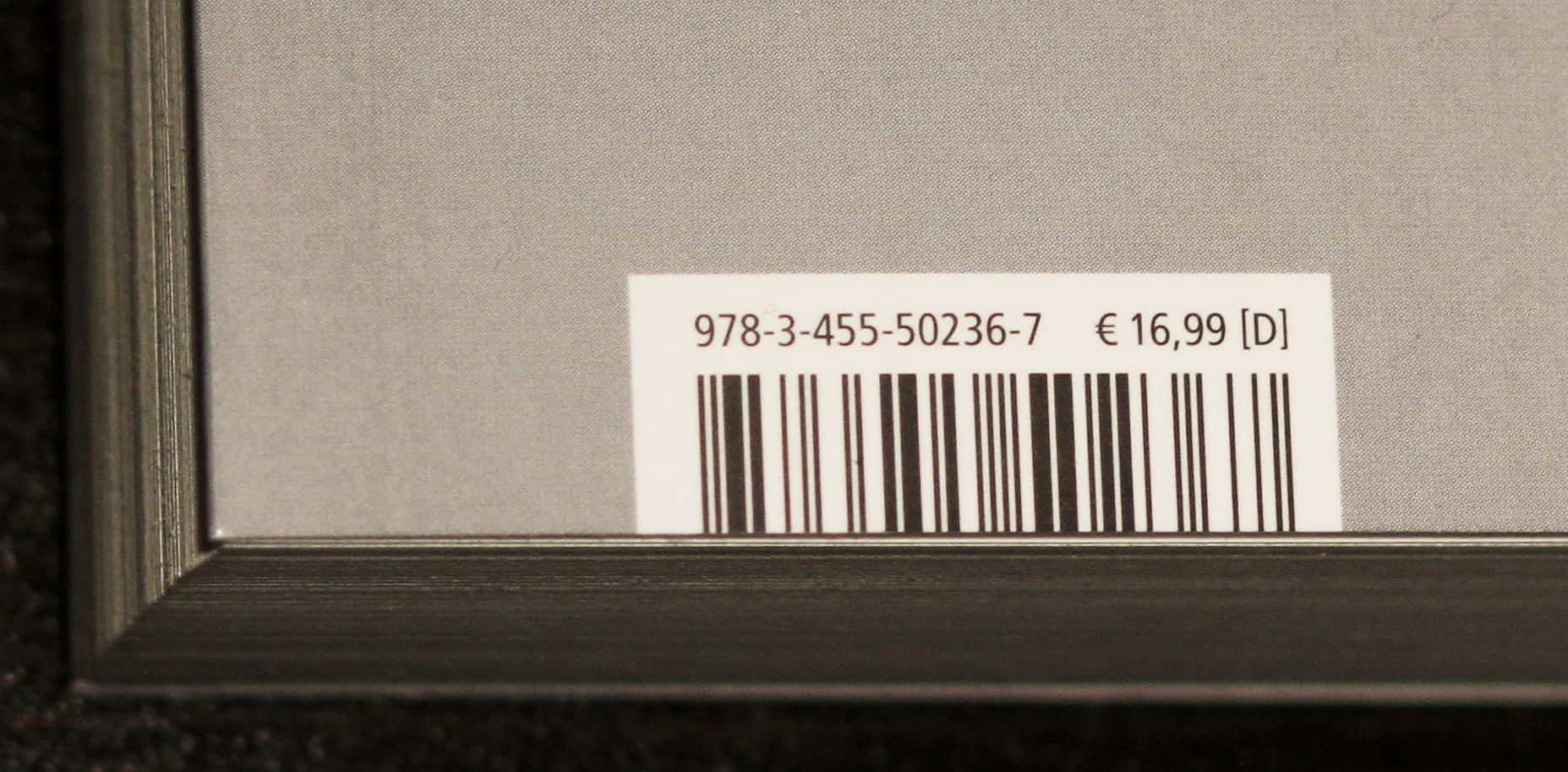
An ISBN, or International Standard Book Number, is an identifier. It tells bookshops, libraries, distributors and catalogues exactly which publication they are dealing with, down to the specific edition and format. It does not say whether the writing is good, who owns the rights or how many copies will sell.
For Zambian authors, the practical question of where to obtain an ISBN has become more confusing because the national arrangement has changed. This guide explains what the number does, what it does not do, how the current arrangement works and why the ISBN should be settled before the cover goes to print.
What an ISBN is
Modern ISBNs contain 13 digits and are assigned to books and certain book-like publications. Each number belongs to one specific product. That is why a paperback, a hardcover and an eBook of the same title should not automatically share a number. They are different products, and a shop or library needs to be able to tell them apart.
Different digital versions can also need separate ISBNs when their formats or usage conditions differ. The International ISBN Agency's eBook guidance explains those distinctions in detail. A substantially revised edition may also need a new number, while a reprint with a few corrected typing errors usually does not.
What an ISBN does not do
An ISBN does not create copyright. It does not prove that you wrote the manuscript, and it does not stop anyone from copying your work. Copyright exists in an original work because the work has been created and recorded. The ISBN only identifies a published product.
The two are related to publishing, but they serve different purposes. If your concern is ownership, evidence and the safe handling of your manuscript, read our practical guide on protecting your book from being copied or stolen.
An ISBN tells the book trade which book this is. It does not tell anyone who owns it or whether it is any good.
Why the number matters
A correctly assigned ISBN makes a book easier to identify and manage once it leaves the author's hands. It helps with:
- Cataloguing by libraries and book databases.
- Listing a specific edition with booksellers and distributors.
- Distinguishing paperback, hardcover and digital formats.
- Keeping book information such as title, publisher and format consistent.
- Avoiding confusion between books with similar titles.
If you only intend to sell copies by hand at events, you may not feel the difference at first. Once you want a bookshop, a library or an institution to order the book, the ISBN and the information attached to it become far more important.
The current ISBN arrangement for Zambia
Older information online about ISBNs in Zambia can now be misleading, so it is worth being precise.
The Booksellers & Publishers Association of Zambia (BPAZ) is no longer authorised to assign ISBNs. The current operational guidance for Zambian applicants is that ISBN requests are being handled through the National Library of Namibia ISBN registration agency until further notice.
For an author who is genuinely self-publishing, this means you may contact the National Library of Namibia ISBN registration agency directly and apply for the ISBN your publication needs. ISBN assignment itself is free. You should not pay anyone simply for the number.
If you are publishing with Sotrane Publishers, you do not need to contact the ISBN agency yourself. As the publisher, Sotrane requests the appropriate ISBN on behalf of its authors as part of the publishing process. We prepare and submit the required publication details, keep the ISBN record with the book's publishing information and make sure the confirmed number is used for the correct edition and format.
The difference can be summarised like this:
- Self-publishing independently: the author acts as the publisher and may apply directly through the current ISBN registration arrangement.
- Publishing with Sotrane Publishers: Sotrane handles the ISBN request on the author's behalf, so no separate application is needed.
- Cost: the ISBN itself is free. Any charges for publishing, editing, design, printing or administration are separate from the number.
The International ISBN Agency's public Zambia listing still notes that BPAZ is no longer authorised and advises Zambian publishers to seek current guidance. Because these arrangements can change, we advise authors not to rely on old contacts, archived social media posts or anyone who asks for payment for the ISBN itself.
Information to prepare before applying
The exact requirements depend on the agency handling the request, but you should normally have accurate publication details ready. These usually include:
- The confirmed book title and any subtitle.
- The names of the author and any other contributors.
- The publisher or imprint details.
- The format, such as paperback, hardcover or eBook.
- The expected publication date.
- Edition information, where relevant.
- Contact details for the publisher or self-publisher.
Settle these details before you apply. A number assigned to a provisional title or the wrong format creates problems in catalogues that are tedious to correct later.
The ISBN and the barcode
The ISBN and the barcode are connected, but they are not the same thing. The ISBN is the identification number. The barcode is a machine-readable version of it used by retail and stock systems.
In professional book production, the confirmed ISBN is turned into a barcode and placed on the back cover. That should only happen once the number has actually been assigned. A guessed, borrowed or duplicated number on a printed cover can cause cataloguing and distribution problems for years.
Settle the ISBN before the cover is final
One of the most avoidable mistakes is approving the cover, sending it to the printer and only then discovering that the ISBN or barcode is missing or wrong. Reprinting covers is an expense nobody needs.
We recommend discussing the ISBN as soon as the title and format are settled, and certainly before final artwork is approved. If you are working with a publisher, ask exactly when the number will be assigned and when it will be added to the cover. If you are self-publishing, confirm the number before you lock the print file. This is one reason the ISBN belongs inside the wider publishing process rather than being treated as a sticker added at the end.
Self-published books need good records too
Some writers assume ISBNs matter only when a traditional publisher is involved. That is not the case. A self-published book also needs accurate information if the author wants it to be catalogued, listed or distributed professionally.
The difference is that the self-publisher carries the administrative responsibility. That means keeping a record of which number belongs to which format, recording the exact title details submitted with each number and never reusing a number for a different book or edition. A good publishing record should let you, or anyone working with you, look back years later and see immediately which identifier belongs to which edition.
Authors who want to see how editing, design, ISBN registration and printing fit together can read more about book publishing at Sotrane. The ISBN is a short line of numbers on the back of a book, but handled properly it helps the book be found, ordered and catalogued long after it is printed.
Featured image: Thomas Schmidt (NetAction), CC BY-SA 3.0. Image used without alteration.


